Valentine's Day Activities for Students: K–5 Math, Writing and Kindness Ideas
Valentine's Day 2027 falls on a Sunday, and many schools are closed the next day for Presidents' Day, so most classes celebrate on Friday, February 12. Keep the day academic and inclusive: candy heart (or paper heart) math for sorting, graphing and fractions, kindness letters and compliment chains for writing, and a short friendship lesson for SEL. Set a clear card policy (a card for everyone, or none), check food allergies and offer an alternative for families who don't celebrate.
In this article you will find
The best Valentine’s Day activities for students keep learning at the center: candy heart or paper heart math for sorting, graphing and fractions, kindness writing such as compliment letters, and a short friendship lesson, all wrapped in a clear, inclusive card policy. In 2027, February 14 falls on a Sunday, and Monday, February 15 is Presidents’ Day, a day off in many districts. That means most elementary classes will celebrate on Friday, February 12. Below are ideas by subject and grade band, an inclusive approach, and a schedule that keeps the day from turning into a sugar-fueled afternoon. For every date of the year, see our school calendar 2026-27.
Start with the ground rules
A few decisions made in January save a lot of trouble on the day itself.
The card policy. The most common and fairest rule is “a card for everyone, or none at all.” Send home a class list with first names only so families can address cards, and remind them that students can sign their names and leave the “to” line blank. That makes it easier for younger children and avoids anyone feeling left out.
Food. Many schools limit or ban food at parties because of allergies. Check your school’s policy and the allergy list before you plan anything with candy. Every activity below works with paper hearts, counters or stickers instead.
Families who don’t celebrate. Some families don’t observe Valentine’s Day for religious or personal reasons. Frame the day around friendship and kindness, and have a neutral version of each activity available (for example, a “kindness note” instead of a “valentine”).
Math activities
Sort and graph (K–2). Give each student a small cup of conversation hearts or a set of paper hearts in five colors. Students estimate how many they have, count them, sort by color and build a bar graph or pictograph. Questions: “Which color has the most? How many more pink than yellow? How many hearts in all?”
Estimation jar (all grades). Fill a clear jar with hearts. Students write an estimate, and the class compares estimates on a number line. Older students calculate the difference between their estimate and the real number. Reveal the answer at the end of the day.
Fractions of a set (3–4). Using their sorted hearts, students write fractions: “5 of my 18 hearts are purple, so 5/18 are purple.” Then they find equivalent fractions where possible and order the colors from greatest to least fraction.
Card exchange word problems (2–5). “There are 24 students in our class. If each student gives a card to every other student, how many cards does each student need? How many cards will be exchanged in all?” (Each student needs 23 cards; 24 × 23 = 552 cards in all.) For younger students, simplify: “Maya has 18 cards. She gives out 11. How many are left?”
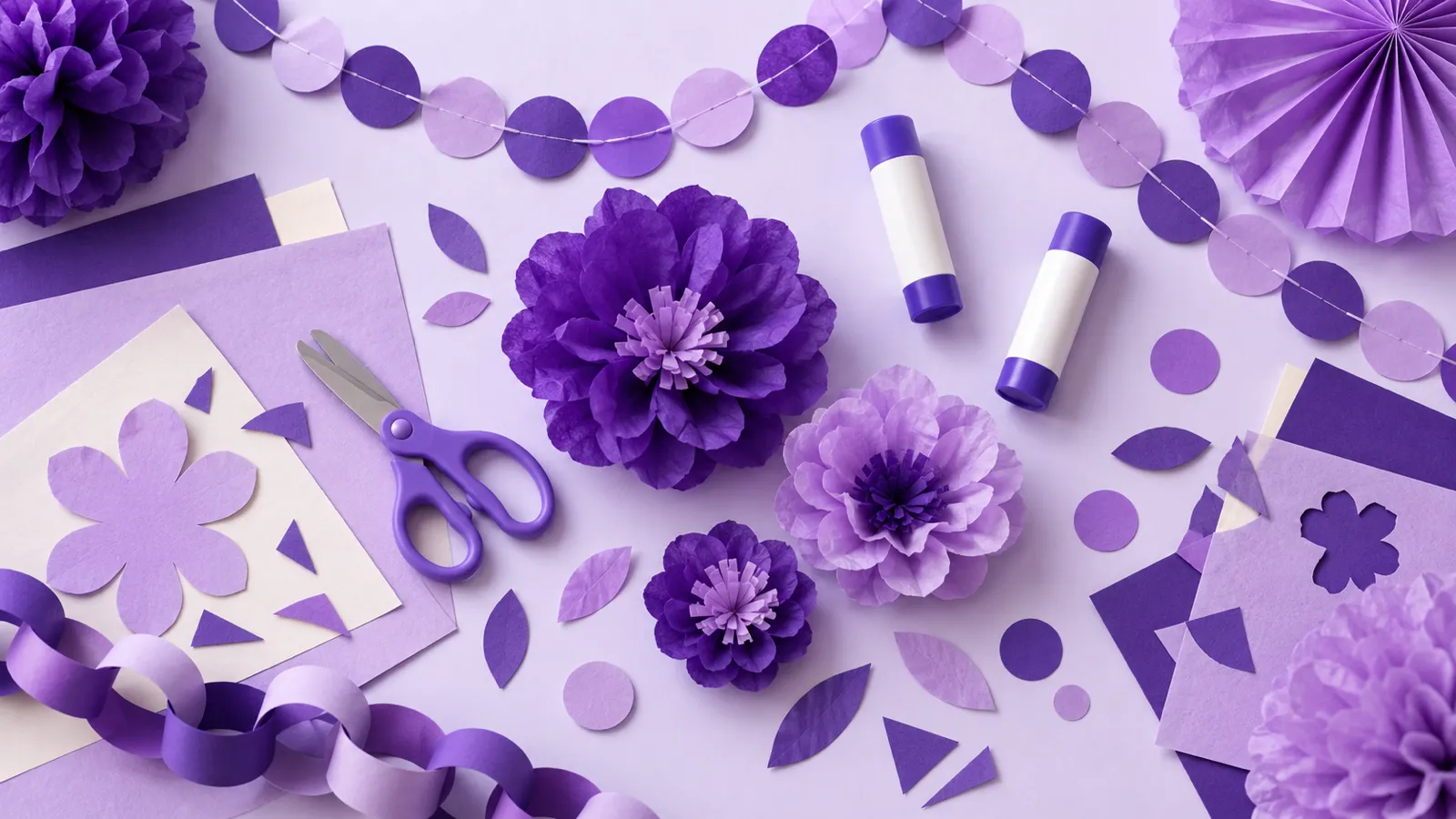
Measurement with hearts (K–1). Students measure classroom objects using a chain of paper hearts as a nonstandard unit. “The book is 6 hearts long.” Compare results across groups.
Heart symmetry (2–4). Fold paper in half and cut out a heart. Discuss the line of symmetry, then look for other symmetrical shapes and letters around the room.
Writing and reading activities
Compliment letters (1–5). Each student draws a classmate’s name and writes a specific compliment: not “You’re nice” but “You always help me when I don’t understand the math.” Model the difference first. Collect and read the letters before they’re delivered so every student gets something kind.
Kindness chain (K–2). Every time a student notices someone being kind during the week, they write or draw it on a paper strip and add it to a chain. On Friday, count the links and read a few aloud.
Friendship acrostic (2–4). Students write the word FRIEND vertically and add a word or phrase about friendship for each letter.
Opinion writing (3–5). Prompt: “What makes a good friend?” Students give their opinion, two reasons and an example from their own life or a book.
Read-alouds. Choose picture books about friendship and kindness rather than romance. After reading, ask: “What did the character do to show they cared?” Students connect it to their own actions.
Social-emotional learning
Valentine’s Day is a natural fit for a short friendship lesson. Ask students to brainstorm what friends do (listen, share, include, forgive) and what friends don’t do. Create an anchor chart together. Then practice two skills with role-plays: joining a game (“Can I play?”) and including someone who is alone (“Do you want to play with us?”).
For older students, discuss how to handle a disappointing moment, such as receiving fewer cards than a friend or not getting a card from someone they hoped to hear from. Talk through strategies like taking a breath, focusing on what they did receive and talking to a trusted adult. Our social-emotional learning activities post has more lessons organized by competency.
A schedule that works
| Time | Activity |
|---|---|
| Morning meeting | Friendship greeting and a compliment share |
| Literacy block | Read-aloud on friendship; compliment letters |
| Math block | Sort, graph and fraction activities with hearts |
| After lunch | Calming brain break, then SEL role-plays |
| Last 20 minutes | Card exchange and estimation jar reveal |
Keeping the card exchange at the end of the day protects your instructional time and avoids having bags of candy on desks during math. If your class gets wound up after the party, our brain breaks post has calming ideas that take less than three minutes.
Making cards without the stress
If families can’t buy cards, set up a card-making station in the week before with paper, markers and stickers. Students can make cards during indoor recess or as an early finisher activity. This also helps students who receive cards from home feel less pressure about comparing.
For students who need structure, give a simple frame: “Dear ___, I like how you ___. From, ___.” It keeps cards kind and specific, and it doubles as writing practice.
Supporting every student
Some students find parties and schedule changes hard. Give a visual schedule for the day, warn about the noise during the exchange and offer a quiet corner. If a student has an IEP or 504 plan with supports for transitions or sensory needs, apply them as the team decided; a holiday doesn’t change the plan.
For English learners, the compliment letters are a great moment to provide sentence frames and a word bank of kind adjectives (helpful, funny, brave, patient). Pair students so they can talk through ideas before writing.
After the day: keep the kindness going
The week after Valentine’s Day is a good time to turn the friendship lesson into a habit. Keep the kindness chain on the wall and continue adding links through February, with a class goal (for example, 100 links by the end of the month). Start each morning meeting with one student reading a kind act from the chain. Once a week, ask students to write a short reflection: “Someone was kind to me when ___. It made me feel ___.” These small routines show students that kindness isn’t a holiday activity, it’s how your classroom works every day. They also give you real material for conversations about friendship conflicts that come up later in the year, because you can point back to the anchor chart and the examples students wrote themselves. If you track the links on a simple line graph each Friday, you add a bit of data practice at the same time.
Prep in less time
The activities above need hearts, paper and a few printed pages: a graphing mat, a fractions recording sheet and a word problem page. An AI worksheet tool can draft those pages for your grade in a few minutes, with an answer key, and you review them before printing.
Valentine’s Day can be a calm, kind and productive day when the focus stays on learning and friendship. For more ideas through the rest of the year, including Presidents’ Day the following Monday, visit our school calendar 2026-27.
FAQ
When should we celebrate Valentine's Day at school in 2027?
February 14, 2027 is a Sunday, and Monday, February 15 is Presidents' Day, a day off in many districts. Most classes will celebrate on Friday, February 12. Check your district calendar.
How do I make Valentine's Day inclusive?
Use a 'card for everyone or none' rule, focus on kindness and friendship rather than romance, avoid food that conflicts with allergies or school policy, and offer a neutral alternative activity for students whose families don't celebrate.
What are good Valentine's Day math activities?
Sort and graph conversation hearts or paper hearts by color, estimate how many fit in a jar, use hearts to model fractions of a set, and solve word problems about sending cards to every classmate.
How do I keep the class calm on Valentine's Day?
Keep your normal schedule, schedule the card exchange for the last 20 minutes of the day, give every activity a clear task and time limit, and use calming brain breaks after any party time.
Read next
Holidays
St. Patrick's Day Activities for School: K–5 Math and Writing Ideas
 Holidays
100th Day of School Ideas for the Classroom (Math, Writing, Games)
Holidays
Gingerbread Man Activities for Kindergarten and 1st Grade (Literacy, Math, STEM)
Holidays
Black History Month Activities for Elementary Students (K–5 Ideas)
 Math
Division Anchor Charts: Vocabulary, Strategies and Long Division (3rd–5th)
Math
Fractions Anchor Charts for 2nd–5th Grade: What to Put on Each One